
When it comes to building a collection of stylish accessories that appreciates over time, certain heritage pieces have proven themselves as good investment jewelry items. Recent market analysis reveals which iconic designs have increased most significantly in value, offering both elegance and financial returns for discerning collectors.
A comprehensive study* examining classic jewelry from prestigious maisons like Cartier, Bulgari, Chanel, Van Cleef & Arpels, Hermès, and Tiffany & Co. tracked retail price changes over five years while measuring consumer demand and resale performance. The findings highlight which pieces deliver the strongest appreciation and maintain value in the secondary market.
Investment Disclaimer: Like all investments, jewelry values can fluctuate based on market conditions, precious metal prices, consumer demand, and economic factors. While certain pieces have historically appreciated in value, past performance does not guarantee future results.
The luxury jewelry market will reach an estimated $194.8 billion globally by the end of 2026, but individual pieces may experience varied performance. All jewelry should be purchased primarily for enjoyment, with any appreciation potential considered a secondary benefit.
1. Cartier Trinity Ring
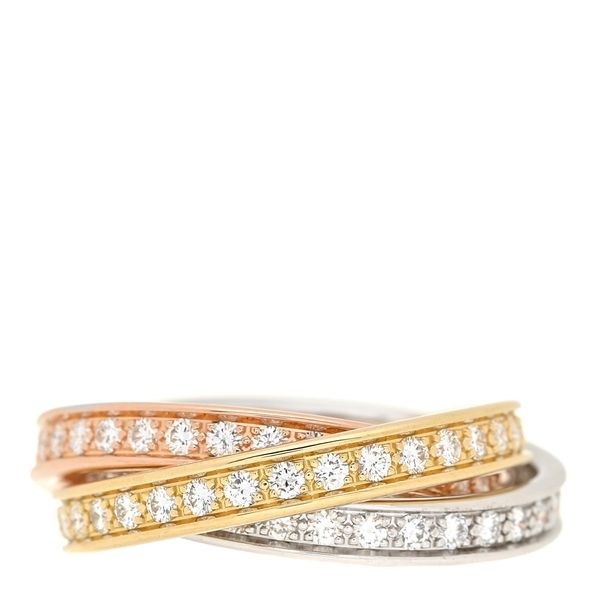
Leading the investment jewelry market, Cartier’s Trinity Ring has experienced remarkable growth, with prices rising 65% over five years – from $1,420 to $2,350. This three-band design demonstrates exceptional staying power, attracting over 204,000 annual searches.
The secondary market remains robust, with pieces typically reselling around $2,000, retaining approximately 85% of retail value. The Trinity’s enduring appeal stems from its 1924 origins and timeless design, where three interlocking bands in yellow, white, and rose gold create a sophisticated statement piece.
Market analysts note that while the ring contains roughly $750 worth of 18k gold, the Cartier name commands an additional $1,600 premium – a testament to century-old heritage. For those interested in learning more about Cartier’s most iconic designs, the maison’s jewelry collection extends far beyond the Trinity.
2. Bulgari B.Zero1 Ring
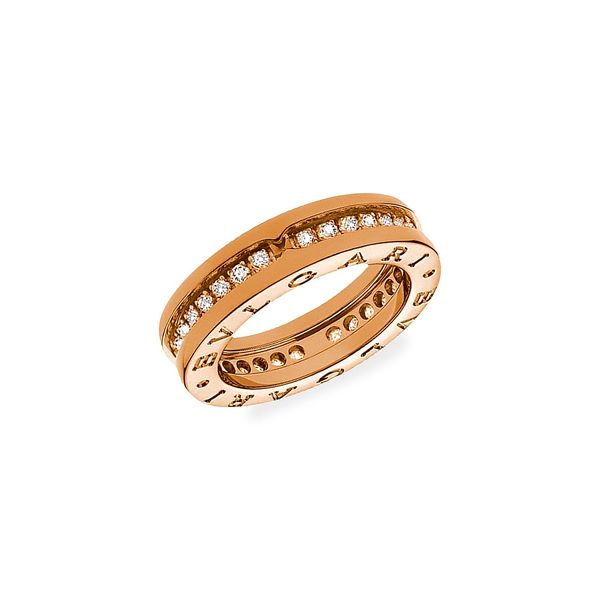
Bulgari’s architectural B.Zero1 Ring ranks second with a 41% price increase, climbing from a starting price of $2,700 to $3,800. The bold, contemporary design attracts approximately 67,000 annual searches and maintains strong resale performance at around $2,800, or 75% of current retail pricing.
This piece offers collectors a modern aesthetic with solid investment potential from one of Italy’s most respected jewelry houses. The B.Zero1 Ring comes in several different styles and materials such as rose gold.
3. Chanel Coco Crush Bracelet
Among the higher-priced investment pieces, Chanel’s Coco Crush Bracelet has appreciated 36%, moving from $11,500 to $15,750. While search volume remains modest compared to other pieces, the bracelet holds impressive resale value at approximately $10,000 – about 63% of store price.
This quilted design translates Chanel’s signature motif into precious metal, offering collectors a wearable piece of fashion history.

4. Chanel Coco Crush Ring
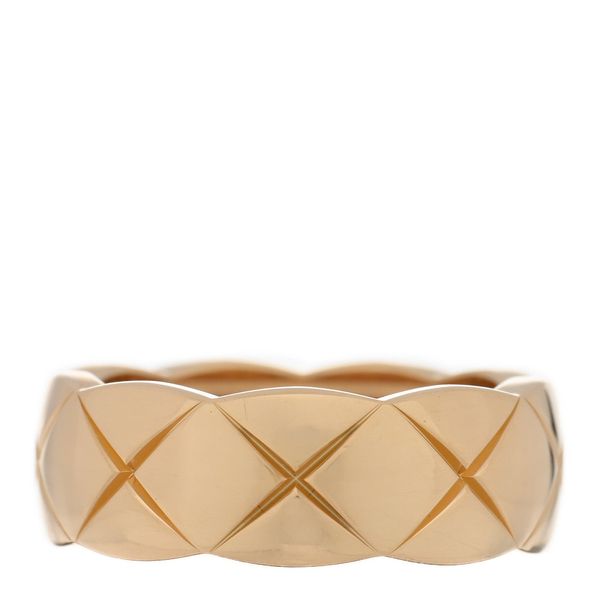
The more accessible Coco Crush Ring provides an entry point into Chanel fine jewelry while delivering strong appreciation. Prices rose 33% from $2,450 to $3,250, with 35,000 annual searches demonstrating consistent demand.
Resale values typically reach $2,500, maintaining about 77% of original investment – an impressive retention rate for those looking to enter the luxury jewelry market.
5. Van Cleef & Arpels Alhambra Necklace
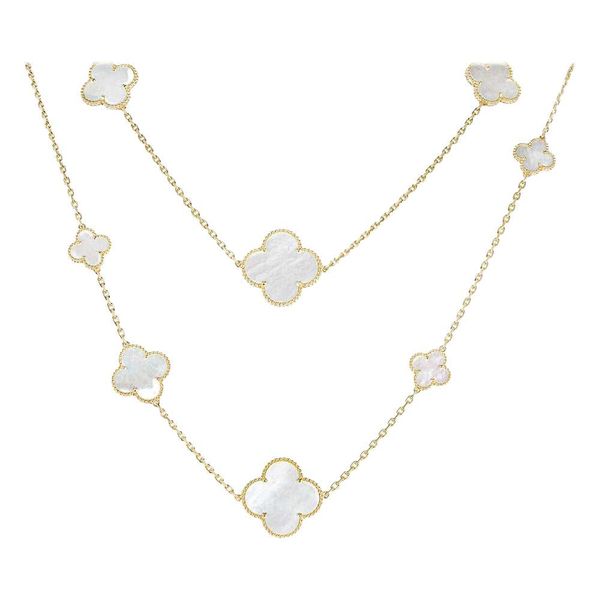
Van Cleef & Arpels’ Alhambra Necklace emerges as the most coveted piece studied, generating 2.6 million annual searches – dramatically outpacing all competitors. Retail prices increased 33% from $4,300 to $5,700, while secondary market values hover around $4,800, retaining 84% of store pricing.
The necklace’s four-leaf clover motif and meticulous craftsmanship make it instantly recognizable.
6. David Yurman Albion Ring
David Yurman’s Albion Ring demonstrates American design house pieces can compete with European heritage brands. Growing 21% from $3,300 to $3,900, this cushion-cut statement ring offers distinctive cable details.
Secondary market prices around $2,200 reflect strong collector interest in Yurman’s signature aesthetic.

7. Hermès Finesse Ring
The Hermès Finesse Ring brings the leather goods house’s refined sensibility to fine jewelry. Appreciating nearly 20% from $7,600 to $9,100, this elegant piece maintains $6,500 resale values.
Hermès’ selective jewelry production creates scarcity that supports long-term value appreciation.

8. Cartier Love Bracelet
Perhaps the most iconic bangle design, Cartier’s Love Bracelet increased 19% from $4,500 to $5,300. The distinctive screw motif and locking mechanism create both symbolism and security.
Resale values match retail at $4,500, demonstrating the piece’s enduring market position across decades.

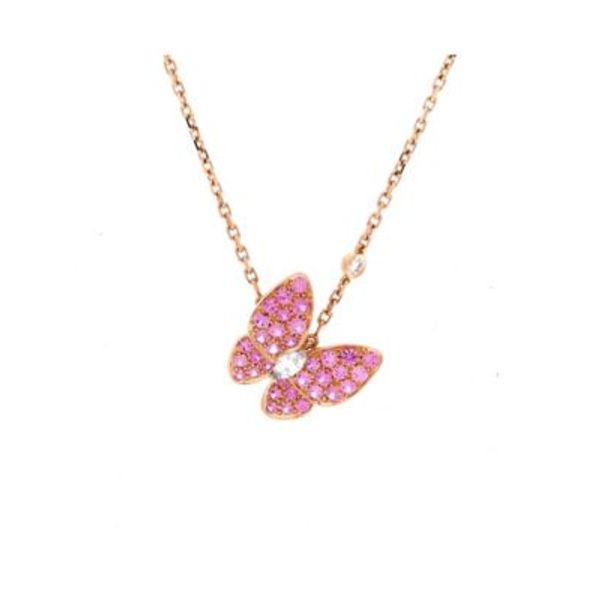
9. Van Cleef & Arpels Butterfly Necklace
Van Cleef’s Butterfly Necklace offers a more accessible entry point at $1,700, up 17% from $1,500. Secondary market pricing around $1,300 represents strong value retention for the whimsical design that showcases the maison’s technical expertise.
The two main types of Van Cleef & Arpels butterfly necklaces are the Sweet Alhambra Butterfly collection and the Two Butterfly collection. Both are available in a range of different materials and colors.
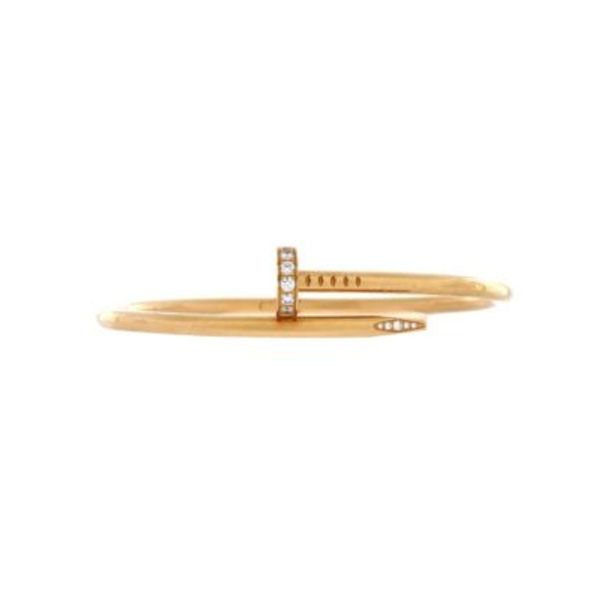
10. Cartier Juste un Clou Bracelet
Rounding out the top ten, Cartier’s Juste un Clou (“Just a Nail”) Bracelet grew 16% from $7,500 to $8,700. The provocative nail-inspired design maintains resale values over $7,000, appealing to collectors seeking edgier Cartier pieces alongside classic designs.
Additional Investment-Worthy Jewelry Pieces
Beyond the top ten, several other luxury jewelry pieces deserve consideration for collectors building investment portfolios. Rolex watches consistently maintain strong resale values, with certain models appreciating significantly. Similarly, vintage Tiffany & Co. pieces, particularly those from celebrated designers like Elsa Peretti and Paloma Picasso, have demonstrated remarkable staying power.
Much like luxury watches that hold their value, fine jewelry from heritage houses benefits from strong brand recognition and craftsmanship. Limited edition pieces and vintage designs from the Art Deco era through the 1970s often command premiums in the secondary market.
For serious collectors with substantial budgets, colored diamonds represent one of the hottest jewelry investments. Their extreme rarity drives consistent appreciation, with pieces regularly breaking auction records.
Collection-grade natural saltwater pearls, particularly those in antique settings by designers like Cartier or Van Cleef & Arpels, have become increasingly valuable as new sources remain virtually non-existent.

Understanding the Current Jewelry Investment Market
The BoF-McKinsey State of Fashion 2026 report projects jewelry will record annual unit growth of 4.1% between 2025 and 2028 – four times the rate of clothing. When asked to compare categories for investment potential, consumers rank jewelry highest, 15 percentage points above handbags and other accessories.
However, the market has experienced significant volatility. Gold prices rose 65-67% during 2025 alone, reaching record highs above $4,500 per ounce in early 2026.
JP Morgan forecasts gold could reach $5,055 per ounce by late 2026. While rising precious metal prices increase the baseline value of gold jewelry, they also impact retail pricing and consumer purchasing behavior.
Industry data from Edge Retail Academy shows jewelry sales in 2025 grew primarily through higher prices rather than increased unit sales, with average retail prices up 10.9% while units sold declined 5.6%. This “price-up, units-down” trend reflects both material cost pressures and a shift toward “fewer, better things” among luxury consumers.
Key Factors for Investment-Grade Jewelry
Heritage Brand Recognition – Pieces from established houses like Cartier, Van Cleef & Arpels, Tiffany & Co., and Chanel consistently maintain stronger resale values than unbranded jewelry due to controlled production, quality standards, and cultural cachet.
Timeless Design – Classic pieces that transcend trends demonstrate the most reliable appreciation. The Trinity Ring’s 100-year history and the Alhambra’s 50-year presence prove enduring design outlasts fashion cycles.
Authentication and Provenance – Original packaging, certificates, and documentation significantly impact resale value. Tiffany’s signature blue box, Cartier’s red box, and Van Cleef’s certification can add 10-25% to secondary market prices.
Material Quality – Pieces crafted from 18k gold, platinum, and high-quality diamonds hold intrinsic value independent of brand premiums. As precious metal and diamond prices rise, these materials provide a baseline value floor.
Secondary Market Liquidity – The most investible pieces have established resale channels through auction houses, luxury jewelers, and authenticated resale platforms. Pieces that regularly appear at Sotheby’s, Christie’s, and specialized dealers demonstrate proven market demand.
Summary: Strategic Jewelry Collection Building
Investment-grade jewelry combines heritage brand recognition, timeless design, precious materials, and sustained consumer demand. According to market research, pieces from Cartier, Chanel, Van Cleef & Arpels, Bulgari, and Tiffany & Co. demonstrate the strongest appreciation, particularly designs with decades of history behind them.
When building a collection, consider both retail appreciation potential and secondary market liquidity – the best investments offer both wearability and financial returns. As the research demonstrates, the Trinity Ring’s 65% price increase over five years significantly outpaces many traditional investment vehicles, while the piece’s iconic status ensures continued demand.
For those looking to cultivate a luxury lifestyle through strategic acquisitions, investment jewelry offers both aesthetic pleasure and financial prudence. Whether you’re building a wardrobe of timeless pieces or establishing a jewelry collection, focusing on heritage designs from established maisons provides the strongest foundation for long-term value retention.
However, it’s essential to remember that jewelry values fluctuate with economic conditions, precious metal prices, and fashion trends. The luxury jewelry market experiences cycles of growth and correction.
Pieces should be purchased primarily for personal enjoyment, with any appreciation considered a welcome bonus rather than a guaranteed outcome. As with any alternative investment, diversification and professional guidance remain prudent approaches to building a valuable collection.
*The study by FashioNica, a vintage handbag shop, analyzed iconic jewelry pieces from heritage brands to identify which have increased in price the most since 2020.
Trending Products

OLEVS Automatic Watches for Men Bus...

Ferragamo Legacy Chronograph Watch

GUESS Stainless Steel Gold-Tone Cry...

Bulova Men’s Classic Sutton 4...

SEIKO Automatic Watch for Men ̵...

Stuhrling Original Mens Skeleton Au...
Bulova Men’s Marine Star Seri...

Stuhrling Original Mens Dress Watch...
Stuhrling Original Men’s Dive...
