


From colorful communities clinging to Mediterranean cliffs to tranquil fishing settlements in Arctic waters, here are the most beautiful villages in the world. These enchanting destinations offer a perfect escape from bustling cities, showcasing authentic local culture, stunning architecture, and breathtaking natural landscapes.
Quick Summary: At a Glance
Discover the world’s most stunning villages, from Austria’s fairytale Hallstatt to Norway’s Arctic fishing settlements. This comprehensive guide features 25 authentic picturesque villages (not towns!) across Europe, Asia, Africa, and beyond – including UNESCO World Heritage Sites, car-free Alpine hamlets, and colorful coastal gems. Whether you’re seeking medieval charm, mountain vistas, or seaside serenity, these extraordinary small communities offer authentic experiences beyond typical tourist trails.Top 5: Hallstatt (Austria) | Oia (Greece) | Giethoorn (Netherlands) | Bibury (England) | Reine (Norway)
What Makes a Village Beautiful?
Before diving into our list, it’s worth understanding what distinguishes a village from a town. Villages are small, rural communities typically with populations ranging from a few hundred to a few thousand residents. Unlike towns, they often lack formal local government and fixed boundaries, maintaining a more intimate, traditional character.
Important Note: This guide focuses exclusively on true villages. Beautiful small towns like Chefchaouen (Morocco), Colmar (France), Positano (Italy), and Rothenburg ob der Tauber (Germany) – while stunning – have populations exceeding typical village size and will be featured in our upcoming “Most Beautiful Small Towns in the World” guide.
The villages featured here have been selected for their exceptional beauty, combining stunning natural settings, unique architecture, rich cultural heritage, and well-preserved authenticity. Many are UNESCO World Heritage Sites, while others remain hidden gems off the beaten tourist path.

The 25 Most Beautiful Villages in the World
1. Hallstatt, Austria
Often called the most beautiful village in the world, Hallstatt offers an incomparable setting on the shores of Lake Hallstatt in the Austrian Alps. This fairytale village features 16th-century Alpine houses stacked against the mountainside, with flower-boxed balconies spilling over with scarlet geraniums.
Why Visit: Hallstatt is thought to be the oldest continually inhabited village in Europe, with a history dating back over 7,000 years. The village is part of the UNESCO World Heritage region of Hallstatt Dachstein Salzkammergut.
Must-See Attractions:
- Hallstatt Skywalk – a free-floating observation deck at 1,030 meters offering panoramic views
- Hallstatt Salt Mine – the world’s oldest salt mine with fascinating tours
- Dachstein Giant Ice Cave – featuring impressive stalactite formations
- Take the funicular cable car up Salzberg (Salt Mountain)
Best Time to Visit: May-September for hiking and outdoor activities, or December-February for magical winter scenery and Christmas markets.
Nearby: For more Austrian luxury experiences, explore our guide to luxury Austrian spa hotels or discover things to do in Innsbruck, just a short drive away. If visiting in winter, don’t miss Kitzbühel, named the world’s best ski resort.

2. Oia, Santorini, Greece
Despite summer crowds, Oia retains undeniable charm as one of the most beautiful islands in Greece. Built on a steep slope leading from the caldera to the Aegean Sea, Oia showcases iconic whitewashed houses and blue-domed churches that define the Cycladic aesthetic.
Why Visit: The village offers spectacular sunset views, particularly from Oia Castle, and features a maze of boutique shops, art galleries, and tavernas in the old town.
Must-See Attractions:
- Oia Castle for sunset viewing
- Maritime Museum
- Cave hotels carved into the cliffside
- Three Bells of Fira viewpoint
Best Time to Visit: April-May or September-October to avoid peak summer crowds while enjoying pleasant weather.
Accommodation Tip: Book a luxurious cave hotel for a truly unique Santorini experience.

3. Giethoorn, Netherlands
Nicknamed the “Venice of the Netherlands,” Giethoorn is famous for its scenic waterways and absence of roads in the old town. This historic village dates back to the Middle Ages and features picturesque walkways, cycle trails, canals, and traditional thatched-roof cottages.
Why Visit: The car-free environment creates a peaceful atmosphere where visitors navigate by boat, bicycle, or on foot through flower-lined canals.
Must-See Activities:
- Rent a whisper boat to explore the canals
- Visit Museum Giethoorn ‘t Olde Maat Uus
- Cycle the surrounding countryside
- Combine with a visit to Zaanse Schans windmills
Best Time to Visit: April-September for warm weather and outdoor activities, though winter offers serene snow-covered landscapes.
Day Trip: Giethoorn makes an excellent excursion from Amsterdam, being just 90 minutes away.

4. Bibury, England
Located in the Cotswolds, an Area of Outstanding Natural Beauty, Bibury has been called “the most beautiful village in England” by designer and poet William Morris. This quintessentially English village features honey-colored stone cottages along the River Coln.
Population: ~600 residents
Why Visit: Bibury perfectly represents Cotswolds charm with its sepia-hued cottages, particularly the famous Arlington Row – a lane of 14th-century wool stores converted into weavers’ cottages in the 17th century.
Must-See Attractions:
- Arlington Row (National Trust property)
- River Coln for trout watching
- St. Mary’s Church
- Bibury Trout Farm
- Swan Hotel for afternoon tea
Best Time to Visit: May-September for gardens in bloom, or autumn for golden foliage.
Film Location: Featured in Bridget Jones’s Diary and Stardust.
Nearby: Explore more beautiful Cotswolds villages including Castle Combe and Bourton-on-the-Water.

5. Reine, Norway
Located on Moskenesøya in the Lofoten archipelago, more than 100 kilometers above the Arctic Circle, Reine is a breathtaking Norwegian fishing village surrounded by dramatic peaks and turquoise fjord waters.
Population: ~300 residents
Why Visit: Stunning year-round, Reine is particularly magical in winter when visitors come hoping to witness the Northern Lights dancing above the traditional red fishing cabins (rorbuer).
Must-See Activities:
- Hike Reinebringen peak for panoramic views
- Kayak the Reinefjorden
- Rent a traditional rorbuer cabin on the waterside
- Northern Lights viewing (September-March)
- Midnight sun photography (May-July)
- Visit nearby Å village
Best Time to Visit: January-March for Northern Lights and winter landscape photography, or June-August for midnight sun and hiking.

6. Manarola, Cinque Terre, Italy
One of five colorful villages in the UNESCO World Heritage Site of Cinque Terre, Manarola stands out for its vibrantly painted houses dramatically perched on cliffsides overlooking the Ligurian Sea.
Population: ~350 residents
Why Visit: This medieval fishing village offers authentic Italian coastal charm, spectacular hiking trails, and some of the freshest seafood in Italy.
Must-See Activities:
- Hike the coastal path to Corniglia (3.4 miles)
- Enjoy sunset at the harbor viewpoint
- Dine at waterfront trattorias
- Visit during grape harvest season
- Swim at the rocky beach
Best Time to Visit: April-May or September-October to avoid summer crowds. The famous Via dell’Amore walking path is currently closed for repairs.
Getting There: Train from La Spezia or Genoa; cars are not permitted in the village.
More Italy: For comprehensive coverage of Italy’s coastal treasures, see our guide to the most beautiful places in Italy, featuring the Amalfi Coast, Portofino, and other stunning destinations.

7. Èze, France
Perched dramatically on a clifftop 427 meters above the Mediterranean Sea, Èze is a medieval hilltop village on the French Riviera between Nice and Monaco. This “eagle’s nest” village features narrow cobblestone streets, stone houses, and the spectacular Exotic Garden.
Population: ~2,200 residents
Why Visit: Èze offers breathtaking panoramic views of the Côte d’Azur, well-preserved medieval architecture, and proximity to glamorous Riviera destinations.
Must-See Attractions:
- Exotic Garden (Jardin Exotique) at the village summit
- Parfumerie Fragonard
- Church of Notre-Dame-de-l’Assomption (14th century)
- Nietzsche Path (hiking trail to Èze-sur-Mer)
- Medieval streets and artisan shops
Best Time to Visit: May-June or September-October for pleasant weather without peak summer crowds.
Nearby: Located on the French Riviera, Èze offers easy access to Monaco, Nice, Villefranche-sur-Mer, and other stunning Mediterranean destinations.

8. Gruyères, Switzerland
This medieval walled village in the Swiss Alps is famous for its namesake cheese and stunning mountain setting. Gruyères sits atop a hill with panoramic views of the surrounding Fribourg countryside.
Population: ~2,200 residents
Why Visit: Gruyères combines medieval charm with Swiss culinary excellence, offering castle tours, cheese-making demonstrations, and chocolate factory visits.
Must-See Attractions:
- Gruyères Castle (13th century)
- La Maison du Gruyère (cheese dairy)
- HR Giger Museum (Alien artist)
- Cobblestone main street
- Tibet Museum
Best Time to Visit: June-September for hiking and outdoor cheese fondue, or December-February for winter atmosphere and fondue season.
Getting There: Easy train and bus connections from Geneva, Lausanne, or Bern.

9. Burano, Italy
This colorful fishing village on an island in the Venetian Lagoon is famous for its brightly painted houses in every shade imaginable. Each house is painted a different vivid color, creating a rainbow effect along the canals.
Population: ~2,400 residents
Why Visit: Beyond its Instagram-worthy aesthetics, Burano is renowned for its centuries-old lace-making tradition and peaceful atmosphere away from Venice’s crowds.
Must-See Attractions:
- Colorful house-lined canals
- Lace Museum (Museo del Merletto)
- Church of San Martino with its leaning bell tower
- Artisan lace shops
- Traditional seafood trattorias
Best Time to Visit: April-May or September-October for fewer tourists, or early morning year-round before day-trippers arrive.
Getting There: 40-minute vaporetto (water bus) from Venice.

10. Shirakawa-go, Japan
This UNESCO World Heritage village in the Gifu Prefecture showcases remarkable Gassho-style houses with steep, thatched roofs resembling hands clasped in prayer. The largest village is Ogimachi, offering a glimpse into traditional rural Japan.
Population: ~1,600 residents
Why Visit: Shirakawa-go represents authentic Japanese village life, surrounded by rice paddies and mountains, particularly stunning when snow-covered in winter.
Must-See Attractions:
- Traditional Gassho farmhouses (some open for tours)
- Shirakawa-go Observatory for village views
- Wada House – largest Gassho house
- Seasonal illumination events
- Nearby Takayama historic town
Best Time to Visit: January-February for snow-covered scenery and illumination events, or October-November for autumn colors.
More Japan: Japan continues to grow in popularity as a luxury destination. Discover more in our guide to best luxury family destinations, which highlights Japan’s safety, cultural richness, and family-friendly experiences.

11. Gimmelwald, Switzerland
This tiny car-free Alpine village remains blissfully untouched by mass tourism, perched high in the Swiss Alps with jaw-dropping views of snow-capped peaks and verdant meadows. With only about 100 permanent residents, Gimmelwald embodies authentic Swiss mountain life.
Population: ~100 residents
Why Visit: For travelers seeking genuine Swiss Alpine charm away from tourist crowds, Gimmelwald offers hiking trails, traditional wooden chalets, and some of the most spectacular mountain scenery in Switzerland.
Must-See Activities:
- Cable car to neighboring Mürren
- Via Ferrata climbing routes
- Hiking trails with Eiger, Mönch, and Jungfrau views
- Mountain cheese tasting
- Stay in a traditional Swiss chalet
Best Time to Visit: July-September for hiking and wildflowers, or December-March for skiing and snow sports.
Getting There: Cable car only – no road access, which preserves its peaceful character.

12. Wengen, Switzerland
Another car-free Swiss Alpine village, Wengen sits on a sunny terrace overlooking the Lauterbrunnen Valley with direct views of the Jungfrau massif. Accessible only by train, this village offers pure mountain tranquility.
Population: ~1,300 residents
Why Visit: Wengen provides world-class skiing in winter and exceptional hiking in summer, all while maintaining a peaceful, traditional Swiss atmosphere.
Must-See Activities:
- Jungfraujoch – “Top of Europe” excursion
- Lauterbrunnen Valley waterfalls
- Männlichen cable car for panoramic views
- Skiing and snowboarding (December-April)
- Alpine hiking trails
Best Time to Visit: December-March for skiing, or June-September for hiking.
Note: Switzerland ranks among the safest countries for families and offers exceptional luxury experiences year-round.

13. Gordes, France
Perched dramatically on a hilltop in Provence’s Luberon region, Gordes epitomizes French village charm. The Renaissance castle crowns the village, with stone houses cascading down the hillside amid lavender fields and olive groves.
Population: ~2,000 residents
Why Visit: This “Most Beautiful Village in France” (officially designated) offers Provençal architecture, stunning views, and rich artistic heritage – Marc Chagall and Pol Mara both worked here.
Must-See Attractions:
- Gordes Castle and panoramic viewpoints
- Village des Bories (ancient stone huts)
- Sénanque Abbey with lavender fields
- Weekly market for local produce
Best Time to Visit: Late June-early July when lavender fields are in full bloom, or September for wine harvest.

14. St-Paul-de-Vence, France
This medieval hilltop village on the French Riviera stands out for its remarkable art galleries and museums. Behind ancient ramparts, narrow cobblestone streets wind past artist studios and elegant stone houses.
Population: ~3,500 residents
Why Visit: St-Paul-de-Vence successfully balances medieval charm with world-class contemporary art, attracting artists and art lovers since the 1920s.
Must-See Attractions:
- Fondation Maeght – museum with over 1,300 modern artworks
- Chapelle des Pénitents Blancs (decorated by Jean-Michel Folon)
- Medieval rampart walk
- Marc Chagall’s grave in village cemetery
- La Colombe d’Or restaurant/hotel with original Picasso, Matisse works
Best Time to Visit: April-June or September-October for pleasant weather without peak summer crowds.
Nearby: Located on the French Riviera, explore other stunning Mediterranean destinations including Monaco, Nice, and Cannes.

15. Cochem, Germany
This beautiful village is situated on the Moselle river in West Germany. Surrounded by vineyards, Cochem has many medieval timbered houses, some painted in bright colors.
Population: ~5,000 residents
Why Visit: Cochem combines fairy-tale architecture with excellent Riesling wine. Reichsburg Cochem Castle sits on a hill with panoramic river views.
Must-See Attractions:
- Reichsburg Cochem Castle tours
- Knights’ Feast medieval dinners (Fridays & Saturdays)
- Mosel River wine cruises
- Historic market square
- Local wine tastings
Best Time to Visit: May-October for river cruises and outdoor dining, or December for Christmas markets.

16. Mürren, Switzerland
Another spectacular car-free Swiss village, Mürren clings to a cliff edge at 1,650 meters above the Lauterbrunnen Valley. This traditional Alpine village offers some of the most dramatic mountain views in the Alps.
Population: ~450 residents
Why Visit: Mürren combines old-world Swiss charm with world-class outdoor activities and jaw-dropping scenery of the Eiger, Mönch, and Jungfrau peaks.
Must-See Activities:
- Schilthorn summit and Piz Gloria revolving restaurant
- Via Ferrata climbing routes
- Allmendhubel funicular and flower trail
- Mountain hiking trails
- Winter skiing and snowboarding
Best Time to Visit: July-September for hiking, December-March for snow sports.
Getting There: Cable car and mountain railway only – preserves the peaceful, traffic-free atmosphere.

17. Monsanto, Portugal
Known as “the most Portuguese village in Portugal,” Monsanto is built among and under enormous granite boulders. Houses are wedged between massive rocks, with some boulders serving as walls or roofs.
Population: ~800 residents
Why Visit: This unique village offers a medieval atmosphere and extraordinary integration with its rocky landscape, creating one of Europe’s most unusual villages.
Must-See Attractions:
- Castle ruins atop the hill
- Houses built into and under boulders
- Igreja Matriz (main church)
- Traditional schist architecture
- Panoramic views from castle
Best Time to Visit: April-June or September-October for comfortable temperatures and wildflowers.

18. Kampung Pelangi, Indonesia
Nicknamed “Rainbow Village,” Kampung Pelangi transformed from a plain village into a colorful tourist attraction when the community painted over 200 houses in vibrant rainbow colors. This grassroots initiative revitalized the local economy and spirit.
Population: ~1,200 residents
Why Visit: This inspiring example of community transformation draws visitors worldwide who come to admire the cheerful buildings and support local businesses.
Must-See Activities:
- Photograph the rainbow-painted houses and street art
- Support local shops and cafes
- Learn about the community transformation project
- Explore planned food court area
Best Time to Visit: April-October during Indonesia’s dry season.

19. Civita di Bagnoregio, Italy
Known as “the dying village,” this ancient hilltop settlement sits atop a plateau of crumbling volcanic rock, accessible only by a long pedestrian bridge. Erosion threatens the village, but it remains inhabited and extraordinarily beautiful.
Population: ~11 full-time residents (but ~100 property owners)
Why Visit: One of Italy’s most dramatic and unique villages, Civita offers medieval atmosphere, Etruscan heritage, and spectacular views across the valley.
Must-See Attractions:
- Pedestrian bridge entrance
- Medieval stone streets
- Church of San Donato
- Etruscan cave dwellings
- Panoramic viewpoints
Best Time to Visit: April-June or September-October to avoid summer heat and crowds.
Getting There: 90 minutes north of Rome; park in Bagnoregio and walk across the bridge.

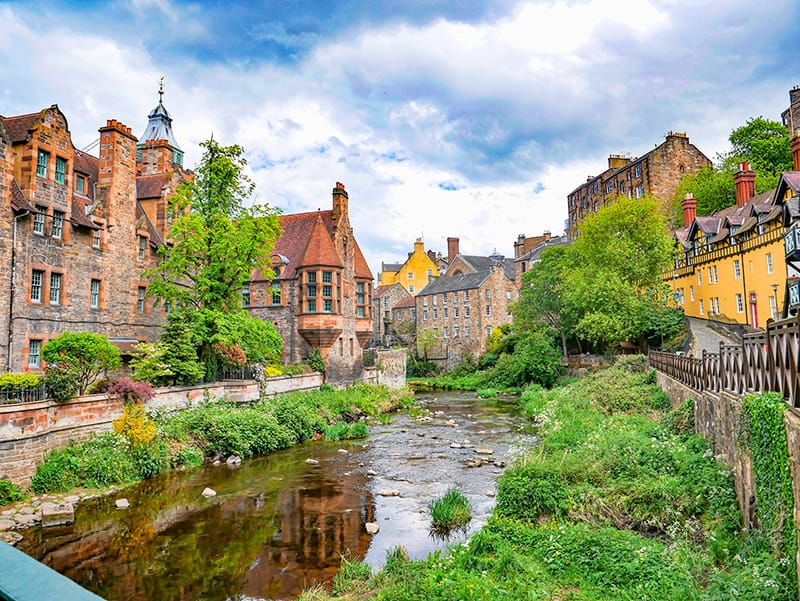
20. Dean Village, Edinburgh, Scotland
Close to Edinburgh city center yet worlds away in atmosphere, Dean Village sits peacefully beside the Water of Leith. This former grain-milling community dates back to the 12th century.
Population: ~700 residents
Why Visit: Dean Village offers a tranquil escape within walking distance of Edinburgh’s bustling center, showcasing beautiful converted mills, stone plaques, and excellent bird watching.
Must-See Activities:
- Water of Leith Walkway (spot up to 80 bird species)
- Historic mill buildings and commemorative plaques
- St. Bernard’s Well
- Walk to nearby Stockbridge
Best Time to Visit: May-September for pleasant walking weather, or explore year-round as part of an Edinburgh weekend.
21. Saksun, Faroe Islands
This tiny village on the northwest coast of Streymoy offers dramatic isolation and stunning natural beauty. With fewer than 10 permanent residents, Saksun features traditional turf-roofed houses overlooking a tidal lagoon.
Population: ~10 residents
Why Visit: For ultimate peace and pristine nature, Saksun provides exceptional bird watching, dramatic landscapes, and authentic Faroese culture.
Must-See Attractions:
- Traditional turf-roofed houses
- Dúvugarðar Museum (working farm)
- Heljardalsa Waterfall
- Tidal lagoon views
- Bird watching
Best Time to Visit: May-August for accessible roads and mild weather, though expect rain at any time.

22. Gásadalur, Faroe Islands
Once one of the most isolated villages in the Faroes, Gásadalur gained easier access in 2004 with the opening of a tunnel. This dramatic village perches on a clifftop overlooking the Atlantic Ocean.
Population: ~18 residents
Why Visit: The village offers spectacular views of Múlafossur waterfall cascading into the ocean, creating one of the most photographed scenes in the Faroe Islands.
Must-See Attractions:
- Múlafossur waterfall viewpoint
- Dramatic cliff-top location
- Traditional Faroese architecture
- Tindhólmur island views
Best Time to Visit: June-August for best weather, though the waterfall is most impressive after rain.

23. Eguisheim, France
This circular Alsatian village is built in concentric circles around its castle square. Eguisheim features colorful half-timbered houses, cobblestone streets, and overflowing flower displays that have earned it “Village Fleuri” (Flowery Village) status.
Population: ~1,600 residents
Why Visit: Often cited as one of France’s most beautiful villages and a top wine village, Eguisheim offers Alsatian charm, excellent Riesling and Gewurztraminer wines, and proximity to the Alsace Wine Route.
Must-See Attractions:
- Concentric village streets
- Castle square and fountain
- Half-timbered houses with flower boxes
- Wine cellars and tastings
- Three castles on surrounding hills
Best Time to Visit: May-September for flowers in full bloom, or December for the authentic Christmas market atmosphere.

24. Penglipuran Village, Bali, Indonesia
This traditional Balinese village in the northeastern highlands showcases unique architectural style with intricately carved bamboo and wood houses, three magnificent temples, and well-preserved cultural traditions.
Population: ~900 residents
Why Visit: Penglipuran offers authentic Balinese culture away from tourist areas, with immaculate gardens, traditional ceremonies, and artisan handicraft workshops. The village is renowned for its cleanliness and has won multiple awards for environmental preservation.
Must-See Attractions:
- Traditional Balinese bamboo houses with distinctive architecture
- Three village temples (Pura Puseh, Pura Desa, Pura Dalem)
- Sacred bamboo forest
- Traditional processions and ceremonies
- Handicraft workshops (weaving, carving, bamboo instruments)
- Immaculately maintained stone-paved streets
Best Time to Visit: April-October (dry season), or time your visit with traditional ceremonies for the most authentic experience.
Cultural Note: Penglipuran is one of Indonesia’s cleanest villages and maintains strict traditional rules. Visitors should dress modestly and respect local customs.

25. Castle Combe, United Kingdom
Surrounded by the lush greenery of the Cotswolds, Castle Combe truly ranks among England’s most picturesque villages. Traditional stone cottages, immaculately maintained gardens, and winding lanes create perfect harmony.
Population: ~350 residents
Why Visit: This quintessential English village offers traditional pubs, The Manor House hotel, and served as a filming location for various productions including Doctor Doolittle and War Horse.
Must-See Attractions:
- St. Andrew’s Church
- 14th-century market cross
- The Bybrook river and bridge
- The Manor House Hotel grounds
- Traditional English pubs
Best Time to Visit: May-September for gardens in bloom.
Nearby: Explore more beautiful Cotswolds villages in the area.

Special Mentions: Beautiful Places That Aren’t Traditional Villages
While researching the world’s most beautiful villages, we encountered some stunning locations that don’t quite fit the traditional village definition but deserve recognition:
Hobbiton, New Zealand (Film Set)
While not a traditional village with permanent residents, Hobbiton deserves special mention as a beautifully crafted movie set that has become a must-visit destination. Located on a farm near Matamata, this slice of Middle-Earth from The Lord of the Rings and The Hobbit trilogies can only be visited via guided tour.
Population: 0 (film set/tourist attraction)
Why Visit: For Tolkien fans and movie buffs, Hobbiton offers the chance to step into the Shire, complete with 44 hobbit holes, the Green Dragon Inn, and Bag End.
Must-See Highlights:
- Bag End – Bilbo’s home
- Bagshot Row hobbit holes
- The Green Dragon Inn
- The Party Tree
- Hobbiton Mill
Best Time to Visit: September-April for New Zealand spring and summer.

Sacro Monte di Varese, Italy (Pilgrimage Site)
Perched 807 meters above sea level in Lombardy, this UNESCO World Heritage site features stunning sacri monti (sacred mountains) with The Holy Road and 14 chapels winding up the mountainside. While it has minimal permanent residents and functions primarily as a pilgrimage site rather than a residential village, its beauty warrants inclusion.
Population: Minimal permanent residents (primarily a pilgrimage/religious site)
Why Visit: For spiritual seekers and hikers, Sacro Monte di Varese offers breathtaking views of Lake Orta, religious art, and peaceful mountain trails.
Must-See Attractions:
- 14 chapels of The Holy Road
- Sanctuary of Santa Maria del Monte
- Panoramic views of Lake Orta and Alps
- Hiking trails
- Campo dei Fiori Natural Park
Best Time to Visit: May-October for hiking, or year-round for spiritual visits.

Popeye Village, Malta (Film Set/Theme Park)
Originally built as the film set for the 1980 musical “Popeye” starring Robin Williams, this colorful wooden village is now operated as a theme park. The brightly colored buildings perch charmingly on cliffs above Anchor Bay.
Population: 0 permanent residents (theme park)
Why Visit: While not a traditional village, Popeye Village offers nostalgic fun, beautiful Mediterranean views, and makes an interesting addition to any Malta itinerary, especially for families.
Must-See Activities:
- Explore the preserved film set
- Meet costumed characters
- Boat rides in Anchor Bay
- Wine museum
- Santa’s Toy Town (seasonal)
Best Time to Visit: April-October for warm weather and all attractions open.
This traditional village is located in the northeastern region of Bali, within a lush green landscape that exudes tranquility and harmony. This quaint community is known for its unique architectural style, characterized by beautiful, intricately carved houses made of bamboo and wood.
The village is also home to three magnificent temples, each boasting their own unique style and rich history. Additionally, Penglipuran Village is a hub for intricate handicrafts, from weaving and carving to the art of making bamboo instruments.
Immersed in a traditional way of life, visitors can learn about Bali’s culture and history through the villagers’ daily routines and traditions.

Regional Breakdown: Most Beautiful Villages by Continent
Europe (20 villages)
Europe dominates our list with the highest concentration of beautiful villages, thanks to centuries of preserved architecture and UNESCO protections:
- Western Europe: Bibury, Castle Combe, Giethoorn, Dean Village
- France: Èze, Gordes, St-Paul-de-Vence, Eguisheim
- Southern Europe: Oia, Manarola, Burano, Civita di Bagnoregio, Monsanto
- Central Europe: Hallstatt, Cochem
- Switzerland: Gimmelwald, Wengen, Gruyères, Mürren
- Northern Europe: Reine, Saksun, Gásadalur
Asia (3 villages)
- Shirakawa-go, Japan
- Penglipuran Village, Bali, Indonesia
- Kampung Pelangi, Indonesia
Special Mentions (3 locations)
- Hobbiton, New Zealand (film set)
- Sacro Monte di Varese, Italy (pilgrimage site)
- Popeye Village, Malta (film set/theme park)
Notable Absence: North America
While the United States has many beautiful small towns, true villages in the traditional sense are rare. Ogunquit, Maine recently made Forbes’ 2025 list – the only U.S. location recognized as a beautiful village.
When to Visit: Seasonal Considerations
Spring (March-May)
Best for: European villages, Mediterranean destinations, lavender season in Provence Highlights: Blooming gardens, moderate temperatures, fewer crowds
Summer (June-August)
Best for: Norwegian villages, Swiss Alps, Faroe Islands, Northern destinations Highlights: Midnight sun (Arctic regions), hiking season, warmest weather, all attractions open
Autumn (September-November)
Best for: European countryside, Japanese villages, avoiding peak crowds Highlights: Fall foliage, wine harvest season, comfortable temperatures, dramatic light for photography
Winter (December-February)
Best for: Alpine villages, Hallstatt, Christmas markets, Northern Lights viewing Highlights: Snow-covered scenery, Christmas atmosphere, winter sports, magical lighting
Christmas Markets: For winter village experiences, our European Christmas markets guide highlights the most festive destinations including Salzburg, Vienna, and charming smaller markets.
Planning Your Village-Hopping Trip
Multi-Village Itineraries
European Alps Circuit (10-14 days)
- Hallstatt → Gruyères → Gimmelwald → Wengen → Mürren
- Perfect for mountain lovers seeking car-free villages and spectacular hiking
- Combine with luxury wellness at Austrian spa resorts
French Village Trail (7-10 days)
- Eguisheim → Gordes → Èze → St-Paul-de-Vence
- Combines Alsatian charm, Provençal beauty, and Riviera elegance
Italian Hidden Gems (7-10 days)
- Manarola (Cinque Terre) → Burano → Civita di Bagnoregio → Sacro Monte di Varese
- From dramatic coastlines to island colors to hilltop drama
Nordic Adventure (10-14 days)
- Reine → Saksun → Gásadalur
- For Northern Lights chasers and dramatic landscape photographers
Cotswolds Circuit (3-5 days)
- Bibury → Castle Combe → other Cotswolds villages
- Perfect UK village-hopping experience
Transportation Tips
Car-Free Villages Many villages restrict or prohibit cars: Gimmelwald, Wengen, Mürren, Giethoorn, Civita di Bagnoregio, Hobbiton (tour only). Research parking options beforehand.
Public Transportation European villages generally have excellent train and bus connections. Remote islands (Faroe Islands, Burano) may require ferries.
Best Approach
- European villages: Train + local walking
- Remote villages: Rental car or organized tours
- Island villages: Ferry + local transport
- Alpine villages: Cable cars and mountain railways
Where to Stay: Accommodation Styles
Traditional Experiences
- Rorbuer (Norway): Historic fishing cabins in Reine
- Cave Hotels (Greece): Cliffside accommodations in Oia
- Gassho Houses (Japan): Traditional farmstay in Shirakawa-go
- Swiss Chalets: Traditional Alpine lodging in Gimmelwald, Wengen, Mürren
- Converted Mills: Historic accommodations in Dean Village
Luxury Options
Most villages offer boutique hotels or historic manor houses converted into upscale accommodations. For hotel inspiration, browse our lists of the most luxurious hotels in the world and best luxury hotel brands.
Book well in advance for peak seasons.
Photography Tips for Village Photography
- Golden Hour Magic: Shoot during sunrise or sunset for the best light
- Weather Diversity: Rain and clouds often create more dramatic images than blue skies
- Local Perspective: Explore back streets away from famous viewpoints
- Seasonal Timing: Research which season showcases each village best
- Respect Residents: Remember these are functioning communities, not just photo backdrops
Best Villages for Instagram:
Best Villages for Instagram:
- Hallstatt (lake reflections)
- Oia (sunset shots)
- Burano (colorful houses)
- Giethoorn (canal scenes)
- Manarola (cliffside buildings)
- Reine (red rorbuer cabins)
- Kampung Pelangi (rainbow colors)
Frequently Asked Questions
What is the most beautiful village in the world?
Hallstatt, Austria consistently ranks as the most beautiful village globally, thanks to its stunning Alpine lake setting, preserved 16th-century architecture, and UNESCO World Heritage status. However, “most beautiful” is subjective – Oia (Greece), Giethoorn (Netherlands), Bibury (England), and Reine (Norway) are equally stunning depending on personal preferences.
This guide features 25 authentic villages from around the world, each with unique charm.
What’s the difference between a village and a town?
Villages are typically smaller rural communities (population: few hundred to few thousand, generally under 5,000) without formal local government or fixed boundaries. Towns have established local government, larger populations, and defined boundaries.
This guide focuses exclusively on true villages – beautiful small towns like Chefchaouen, Colmar, Positano, and Rothenburg will be featured in our upcoming “Most Beautiful Small Towns” article.
Which European country has the most beautiful villages?
France, Italy, and Switzerland have the highest concentration of officially designated beautiful villages. France’s “Les Plus Beaux Villages de France” includes over 150 villages, while Italy’s “I Borghi più belli d’Italia” features over 300.
The UK’s Cotswolds region alone contains dozens of stunning villages.
Are these villages crowded with tourists?
Tourism levels vary significantly. Hallstatt, Oia, and Cinque Terre villages face heavy crowds during peak season (June-August). Lesser-known destinations like Saksun, Gásadalur, Dean Village, Gimmelwald, Monsanto, and Kampung Pelangi remain relatively uncrowded year-round.
Visit popular villages during shoulder seasons or stay overnight to experience them after day-trippers leave.
Can I visit these villages car-free?
Many villages are either car-free by design (Gimmelwald, Wengen, Mürren, Giethoorn, Civita di Bagnoregio) or restrict vehicle access to residents only. Others have pedestrianized historic centers with parking available on the outskirts.
European villages generally have excellent public transportation connections, while remote islands may require ferries or organized tours.
What’s the best time of year to visit these villages?
It depends on your priorities:
- Best weather: June-September (though most crowded)
- Fewest crowds: November-March (except Christmas period), April-May
- Best photography: September-October for autumn colors, January-March for snow
- Budget-friendly: November-March (excluding Christmas/New Year)
- Festival experience: Summer months feature most cultural events
How many days should I spend in each village?
- Day trip sufficient: Bibury, Castle Combe, Dean Village, Popeye Village, Burano, Civita di Bagnoregio
- 1-2 nights recommended: Most European villages, Shirakawa-go, Monsanto
- 2-3 nights ideal: Hallstatt, Oia, Reine (as base for region exploration)
- Overnight essential: Car-free Alpine villages (Gimmelwald, Wengen, Mürren) for full experience
Are these villages suitable for families with children?
Most villages are family-friendly. Oia has steep steps and cliffs requiring supervision.
Popeye Village and Hobbiton are specifically designed for families. Villages with outdoor activities (Gimmelwald, Wengen, Mürren, Reine) are excellent for adventurous families.
Giethoorn’s car-free canals are particularly safe for children. For comprehensive family travel planning, see our guide to best luxury family destinations, which includes safety rankings and family-specific recommendations for Switzerland, Japan, Austria, and more.
Which villages are UNESCO World Heritage Sites?
Several villages featured in this guide are UNESCO-protected:
- Hallstatt (Austria) – Hallstatt-Dachstein Salzkammergut Cultural Landscape
- Shirakawa-go (Japan) – Historic Villages of Shirakawa-go and Gokayama
- Cinque Terre including Manarola (Italy)
- Sacro Monte di Varese (Italy)
What should I pack for visiting these villages?
Essential items:
- Comfortable walking shoes (cobblestones and hills are common)
- Layers for changing weather (especially mountain villages)
- Camera with extra batteries and memory cards
- Reusable water bottle
- Small backpack for day trips
- Local currency (smaller villages may not accept cards)
Season-specific:
- Summer: Sun protection, light clothing, swimwear
- Winter: Warm layers, waterproof jacket, boots
- Shoulder seasons: Rain jacket, adaptable clothing
Can I find authentic local food in these villages?
Yes! Most villages featured offer excellent local cuisine:
- Hallstatt: Traditional Austrian dishes, fresh lake fish
- Cinque Terre: Pesto, focaccia, fresh seafood, local wine
- Gruyères: Cheese fondue, raclette, local Gruyère cheese
- Alsace (Eguisheim): Tarte flambée, choucroute, Riesling wine
- Cotswolds: Traditional pub fare, afternoon tea
- Japan: Traditional regional specialties, local sake
Eat at family-run restaurants rather than tourist traps, and ask locals for recommendations.
Are these villages accessible for travelers with mobility issues?
Accessibility varies significantly:
Better accessibility: Giethoorn (boat access), parts of Hallstatt, lowland villages
Challenging: Oia (steep steps), Manarola (hilly terrain), Èze (steep medieval streets), Civita di Bagnoregio (long pedestrian bridge), mountain villages
Inaccessible: Villages requiring extensive hiking or cable car-only access
Always research specific villages before booking and contact accommodations about accessibility features.
Final Thoughts: Most Beautiful Villages in the World
From the stunning peaks of Norway to the charming streets of Italy, from Switzerland’s car-free Alpine hamlets to Japan’s thatched-roof farmhouses, these are the most authentic and beautiful villages our world has to offer. Each destination provides a unique window into local culture, architectural heritage, and natural beauty that mass tourism hasn’t diminished.
Whether you’re seeking a romantic getaway, a photography expedition, a cultural immersion, or simply an escape from city life, these villages deliver extraordinary experiences. The key to enjoying them lies in traveling thoughtfully – visiting during shoulder seasons when possible, staying overnight to experience them beyond daylight hours, supporting local businesses, and respecting the communities that call these special places home.
You might also enjoy:
Regional Guides:
Like these most beautiful villages in the world? Pin for later or share with friends.

Looking for more travel hacks and tips? From hidden gems to unique experiences, we’ve got you covered.
Trending Products

OLEVS Automatic Watches for Men Bus...

Ferragamo Legacy Chronograph Watch

GUESS Stainless Steel Gold-Tone Cry...

Bulova Men’s Classic Sutton 4...

SEIKO Automatic Watch for Men ̵...

Stuhrling Original Mens Skeleton Au...

Bulova Men’s Marine Star Seri...

Stuhrling Original Mens Dress Watch...

Stuhrling Original Men’s Dive...
